
A healthier lifestyle involves more than eating balanced meals or finding time to exercise. It also requires recognizing changes in the body, seeking appropriate healthcare, and developing routines that support physical and emotional well-being. Different medical and wellness services address different needs, from preventing dental problems to recovering after injuries. Understanding how those services fit together makes it easier to decide when professional guidance could be useful.
The most effective approach is personal rather than one-size-fits-all. Age, activity level, medical history, daily responsibilities, and individual goals all influence the care someone may need. Some services focus on diagnosing conditions, while others provide rehabilitation, preventive support, or elective treatments. Exploring the differences can help people make informed decisions, ask better questions during appointments, and build sustainable habits that complement professional care.
Establishing a Foundation for Preventive Healthcare
Preventive healthcare provides opportunities to identify concerns before they interfere significantly with daily life. Routine visits with a primary care clinician may include discussions about symptoms, medications, family history, vaccinations, and screenings appropriate for a person’s age and risk factors. These conversations can also uncover obstacles to healthy habits, such as unpredictable work schedules or limited access to nutritious food.
Keeping a current record of medications, past procedures, allergies, and important health changes makes appointments more productive. People who see several specialists can benefit from sharing the same information with each provider, especially when treatments overlap. Asking who will communicate test results and what follow-up is needed helps prevent important details from getting lost.
Persistent fatigue, unexplained discomfort, recurring headaches, or changes in sleep deserve attention when they continue or worsen. A medical professional can evaluate possible causes rather than assuming that a new supplement, exercise program, or online remedy will solve the problem.
Mental and social well-being deserve a place in this foundation, too. Supportive relationships, manageable routines, and access to counseling when needed can contribute to overall wellness. Rather than attempting an entire lifestyle overhaul at once, individuals can focus on small, measurable actions and revise those priorities as circumstances change.
Supporting Movement, Mobility, and Injury Recovery
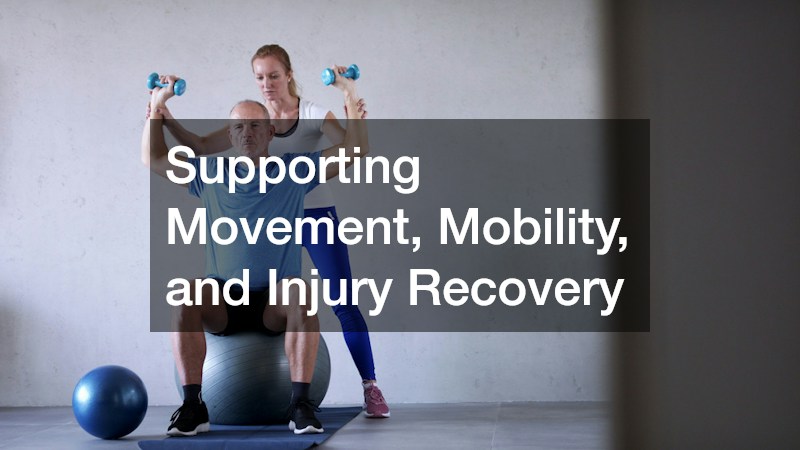
Regular movement helps people maintain strength, flexibility, and independence, but the right activity depends on ability and health status. Someone returning to exercise after an injury may need a different program than a person who wants to improve endurance. Professional guidance can help identify limitations and establish safe, practical goals.
A local chiropractor may evaluate certain musculoskeletal complaints, discuss posture and movement habits, and offer treatments within their professional scope. Patients should ask about the evidence supporting a proposed intervention, possible risks, and whether a medical evaluation is needed first. Severe symptoms, progressive weakness, or changes in bladder or bowel control require prompt medical assessment rather than routine manual treatment.
People recovering from athletic injuries may benefit from sports physical therapy. A physical therapist can assess movement, design exercises that address strength or balance deficits, and guide a gradual return to activity. Rehabilitation often includes education about warming up, pacing workouts, and recognizing signs that the body needs additional recovery time.
Daily habits matter alongside scheduled appointments. Comfortable footwear, appropriately adjusted workstations, short movement breaks, and adequate rest can make exercise more manageable. Progress is easier to maintain when the plan allows for setbacks, changing energy levels, and realistic recovery periods.
Understanding Options for Persistent Pain
Pain that continues beyond an expected healing period can affect sleep, concentration, work, and participation in family activities. It can also be frustrating when the source is unclear or when symptoms fluctuate. Effective care begins with a careful assessment of the location, duration, triggers, and effects of discomfort rather than immediately selecting one procedure.
A clinician may recommend pain management treatment after reviewing a person’s history and examining possible causes. Depending on the condition, options can include targeted exercise, medication, behavioral strategies, injections, or referral to another specialist. No single approach works for every diagnosis, and treatment decisions should reflect expected benefits, limitations, and potential side effects.
For some people, a coordinated plan is more useful than repeatedly trying isolated interventions. Physical rehabilitation may address movement limitations, while counseling techniques can help patients cope with stress related to ongoing discomfort. These approaches do not suggest that the pain is imaginary. They recognize that persistent symptoms influence several parts of daily life.
Patients can prepare for appointments by tracking when symptoms occur, which activities aggravate them, and how treatments affect functioning. Clear goals might include walking farther, sleeping more comfortably, or returning to a favorite hobby. When progress is measured by everyday abilities instead of pain scores alone, it becomes easier to evaluate whether a plan is helping.
New, severe, or unusual symptoms should still receive timely medical attention. A long history of discomfort does not mean every new change belongs to the same condition.

Protecting Circulation and Vascular Health
Healthy circulation helps deliver oxygen and nutrients throughout the body. Problems involving arteries or veins can develop gradually, and early symptoms may be easy to overlook. Leg swelling, discomfort with walking, visible vein changes, or wounds that heal slowly are examples of concerns worth discussing with a healthcare professional. These signs can have many causes, so an assessment is important before choosing a treatment.
A vascular clinic focuses on conditions involving blood vessels and may offer diagnostic testing, medical management, or procedures when clinically appropriate. Clinicians consider symptoms, medical history, examination findings, and test results when recommending next steps. Not every visible vein requires treatment, and cosmetic concerns should be distinguished from medical problems that need closer evaluation.
Lifestyle factors also influence cardiovascular and vascular health. Avoiding tobacco, maintaining appropriate physical activity, and managing conditions such as high blood pressure or diabetes can support an individualized prevention plan. People with existing diagnoses should follow their clinician’s recommendations rather than making abrupt medication changes independently.
Some symptoms require urgent evaluation. Sudden shortness of breath, chest pain, or a newly swollen and painful leg can signal a serious problem. Knowing when to seek immediate care is just as important as scheduling routine follow-up appointments.
For less urgent concerns, patients can ask which tests are necessary, what alternative treatments exist, and how follow-up will work.
Prioritizing Dental Health Throughout Life
Oral health affects comfort, nutrition, communication, and everyday confidence. Teeth and gums face different challenges throughout life, making regular dental care useful for children and adults alike. Brushing with fluoride toothpaste, cleaning between teeth, and limiting frequent exposure to sugary drinks can support daily prevention, but professional assessments remain important.
A pediatric dentist focuses on children’s oral health, including developing teeth, cavity prevention, and guidance for caregivers. Early visits can help families understand brushing techniques, fluoride recommendations, and habits that may affect dental development. Appointments also provide opportunities to address dental anxiety and explain procedures in age-appropriate language.
Adult dental needs may involve repairing damaged teeth, treating gum disease, or replacing missing teeth. For some patients, dental implants are one option for supporting replacement teeth. Suitability depends on factors such as oral health, bone support, medical history, and the ability to maintain the restoration. A dentist can explain alternatives, including bridges or removable appliances, along with costs and ongoing maintenance.
Dental treatment should fit the broader healthcare picture. Certain medications and medical conditions can affect oral health or healing, so sharing an updated health history is valuable. People experiencing persistent tooth pain, swelling, or bleeding gums should seek an evaluation rather than waiting for symptoms to disappear.
Families can make dental care easier to maintain by scheduling visits in advance, planning for expenses, and establishing routines that feel achievable. Preventive habits are most useful when they remain consistent during busy periods, not just immediately before an appointment.

Creating Sustainable Nutrition and Weight Management Habits
Nutrition supports energy, physical activity, and recovery, yet healthy eating rarely looks identical from one household to another. Food preferences, cultural traditions, schedules, budgets, and medical needs shape what is realistic. A useful approach emphasizes nutritional adequacy and habits that can continue over time instead of rigid rules that quickly become exhausting.
A weight loss plan should be considered in the context of overall health, not appearance alone. For people who would benefit medically from weight changes, a clinician or registered dietitian can help establish appropriate goals and evaluate relevant conditions or medications. Some individuals need support with weight maintenance, while others may need to avoid weight loss entirely.
Balanced meals can include a variety of vegetables, fruits, protein sources, whole grains, and fats according to personal needs. Preparing ingredients ahead of time or keeping convenient nutritious options available may help when schedules become unpredictable. Hydration and regular meals can also support comfort and daily functioning, although specific recommendations vary.
Exercise and nutrition work together, but neither should become a punishment. Enjoyable movement, adequate sleep, and flexible meal planning tend to be easier to sustain than strict routines that leave little room for ordinary life. Tracking energy, strength, or consistency may be more helpful than focusing exclusively on a number on a scale.
Anyone considering substantial dietary changes, supplements, or medications should discuss possible risks with an appropriate healthcare professional. The goal is a healthier relationship with daily routines, not another source of stress or unrealistic expectations.
Addressing Skin, Hair, and Personal Confidence
Appearance-related concerns can influence confidence and comfort, even when they are not signs of a serious medical condition. Changes in skin texture, unwanted pigmentation, or hair thinning may prompt people to explore professional services. Before choosing a procedure, it helps to identify the concern, understand possible causes, and decide what outcome would feel worthwhile.
A medical spa may offer cosmetic services such as certain facial treatments, skin procedures, or injectables, depending on the facility and applicable regulations. Because these services vary in invasiveness and risk, clients should ask who performs each procedure, what qualifications they hold, and how complications are handled. Marketing photographs and promotional packages should not replace an informed discussion about expected results and recovery.
Hair changes deserve similar attention. A female hair loss specialist can evaluate patterns of thinning and consider possible contributors, including medical conditions, hormonal changes, or medication effects. Appropriate treatment depends on the diagnosis, and results can vary substantially. Early evaluation may be helpful when shedding is sudden, patchy, or accompanied by scalp symptoms.
Personal care also includes straightforward routines. Gentle cleansing, sun protection, appropriate hair care, and realistic expectations can contribute to comfort without requiring expensive interventions. People should be cautious about products promising instant transformation or guaranteed outcomes.
Choosing to pursue an elective service is personal. Having accurate information about costs, maintenance, potential side effects, and alternatives supports decisions that reflect individual priorities rather than social pressure.

Maintaining Hearing Health and Coordinating Ongoing Care
Hearing changes can affect conversations, workplace interactions, and participation in social activities. Some people first notice difficulty following speech in crowded rooms or repeatedly increasing the television volume. Others experience ringing, fullness, or discomfort. Because these symptoms can arise for different reasons, a hearing evaluation is more useful than guessing at the cause.
An audiologist or other qualified clinician can assess hearing and discuss appropriate next steps. If a hearing aid is recommended, the selection process may involve considering the degree of hearing loss, daily listening environments, comfort, technology features, and cost. Proper fitting and follow-up adjustments matter because getting used to amplification can take time.
Hearing care also connects with broader wellness habits. Protecting ears from excessive noise, discussing medication concerns with a clinician, and maintaining social engagement can help people stay attentive to changes. Sudden hearing loss, particularly in one ear, requires urgent medical assessment rather than waiting for a routine appointment.
Managing several health services becomes easier when patients keep organized records and communicate goals clearly. A single list of providers, medications, upcoming visits, and unanswered questions can reduce confusion.
A healthier lifestyle does not require using every available treatment. It means choosing services for clear reasons, following up when concerns arise, and combining professional guidance with manageable daily habits. As needs evolve, an informed and flexible approach can support comfort, independence, and well-being over the long term.